




Arctic
Renewable Energy
Working Group
A USARC-Coordinated
Working Group
ARCHIVE. The Arctic Renewable Energy Working Group (AREWG) pages on this website contain archived content from 2015–2022. In 2020, the Secretary of Energy announced that the Arctic Energy Office (AEO) was being revitalized to focus on energy, science, and national security in the region. In 2022, the AREWG passed its work on to the AEO, which has focused on many of the working group's objectives. Please contact crosa@arctic.gov for additional information.
Arctic Renewable Energy Working Group
A USARC-Coordinated Working Group
ARCHIVE. The Arctic Renewable Energy Working Group (AREWG) pages on this website contain archived content from 2015–2022. In 2020, the Secretary of Energy announced that the Arctic Energy Office (AEO) was being revitalized to focus on energy, science, and national security in the region. In 2022, the AREWG passed its work on to the AEO, which has focused on many of the working group's objectives. Please contact crosa@arctic.gov for additional information.
About
The US Arctic Research Commission coordinates the Arctic Renewable Energy Working Group (AREWG) to promote research on renewable and efficient energy systems in remote Arctic communities. Integration of renewable resources and supporting technologies into a community’s current power generation capacity has the potential to generate local employment, decrease air pollution and carbon footprint, and ideally reduce consumer costs. Energy efficiency and conservation are critical components of this effort.
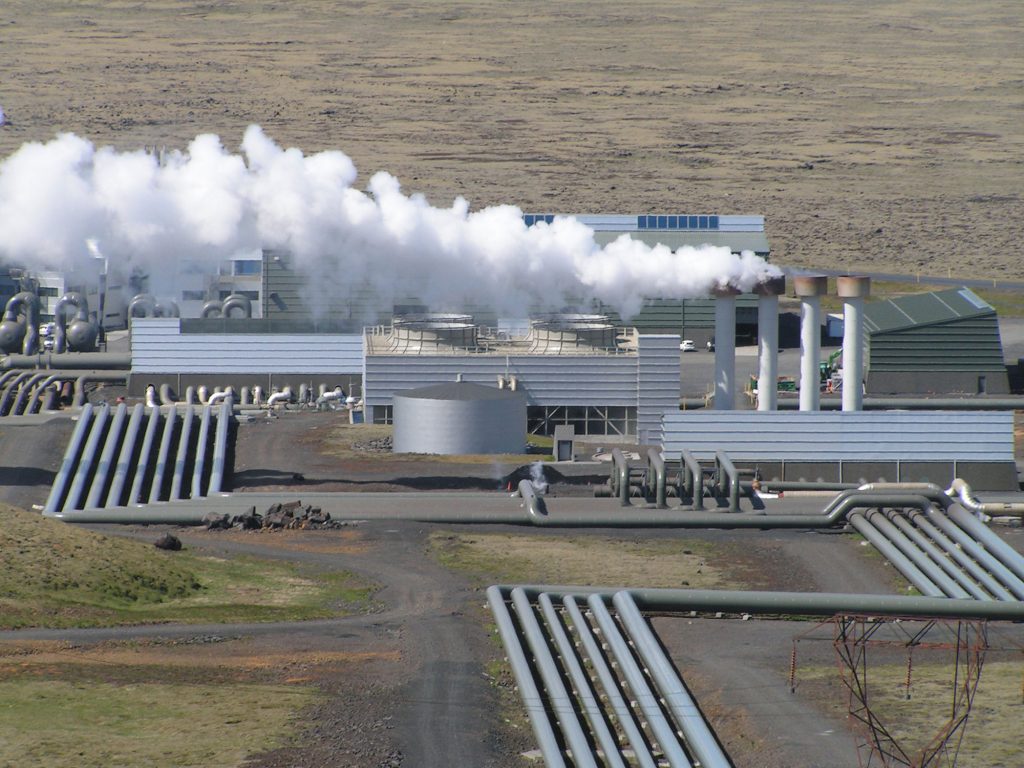
The Working Group’s mission is to benefit Arctic communities by identifying and addressing critical renewable energy and energy efficiency research needs.
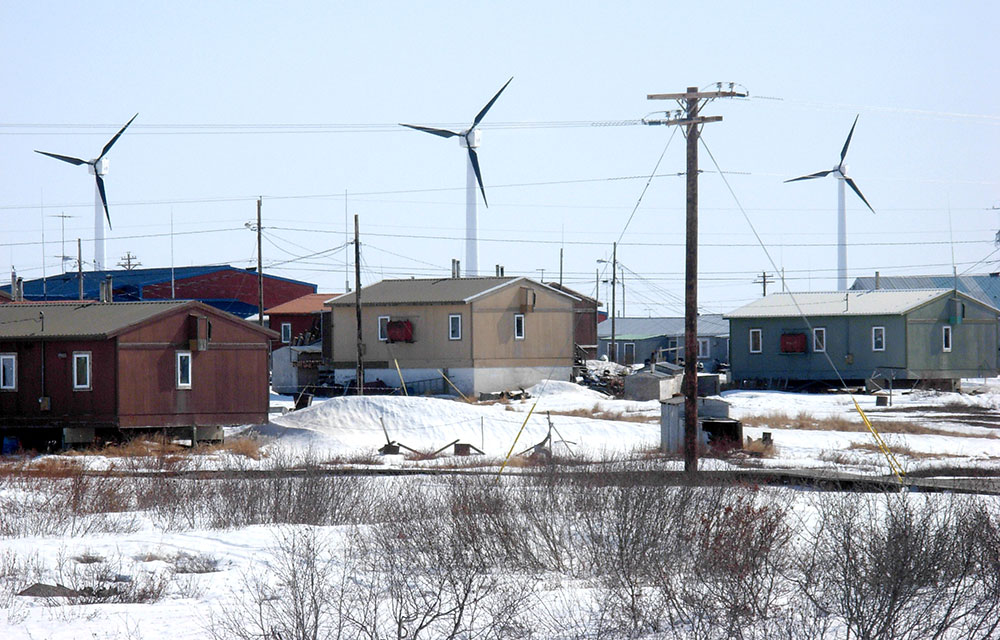
Areas of Focus
- New options for home heating and electricity aimed at increasing energy efficiency/use of renewable energy and reducing heating oil consumption
- Storage of energy produced by renewables, with particular focus on improved battery technology
- Indirect community benefits of renewable and efficient energy use that do not get figured into typical renewable energy cost/benefit analyses
- Increasing potential for industry investment in remote renewable energy projects (decreasing uncertainty by identifying and mitigating risk)
- Energy equity
In the News
February 2, 2022 | Power Technology
Arctic exploration: Developing green energy technology in an extreme region
January 24, 2022 | Eye on the Arctic
Want to offset diesel consumption by solar power in Canada’s N.W.T.? There’s a cap for that
January 21, 2022 | CleanTechnica
The value of wind energy
January 13, 2022 | Fairbanks Daily News – Miner
Gov. Dunleavy: Oil and gas will ‘fulfill the promise’ for renewable energy
September 2021 | DOE
DOE Announces New $2.5 Million Prize to Support Diversity in Innovation
September 30, 2021 | Reuters
Norway to close its last Arctic coal mine in 2023
September 24, 2021 | Washington Post
Housing in Alaska can’t survive climate change. This group is trying a new model.
September 2, 2021 | Eye on the Arctic
Canadian Election: Conservatives promise funds for northern ports, hydro projects
Home | About | Publications | Working Groups | News & Events | Policies | Photo Credits | Privacy
Looking for U.S. government information and services? Visit USA.gov
Connect
Looking for U.S. government information and services? Visit USA.gov